





Did you know that hackers and exploits have already stolen over $2.17 billion from crypto services this year? This shows how vulnerable digital assets can be when stored online.
And crypto investors are becoming more serious about owning their private keys. The best way to do that? A reliable hardware wallet!
In 2026, protecting your crypto isn’t just about making smart investments; it’s also about storing it smartly. That’s why more and more traders are considering to use or develop hardware crypto wallets, which are physical devices that keep your private keys offline and safe from online hackers.
When you think about the top players in the game, three names always pop up: Ledger, Trezor, and SafePal. Each option offers a unique mix of security, usability, and cost. So, which one’s the best fit for you?
Here’s a blog for you in which we’ll compare the best hardware wallets of 2026 such that you pick one for your needs and goals.
Let’s begin!
What Is a Hardware Wallet, and Why Does It Matter?
A hardware wallet is a small physical device that keeps your private keys safe from threats that are connected to the internet. It keeps your crypto currencies safe, so only you can access them.
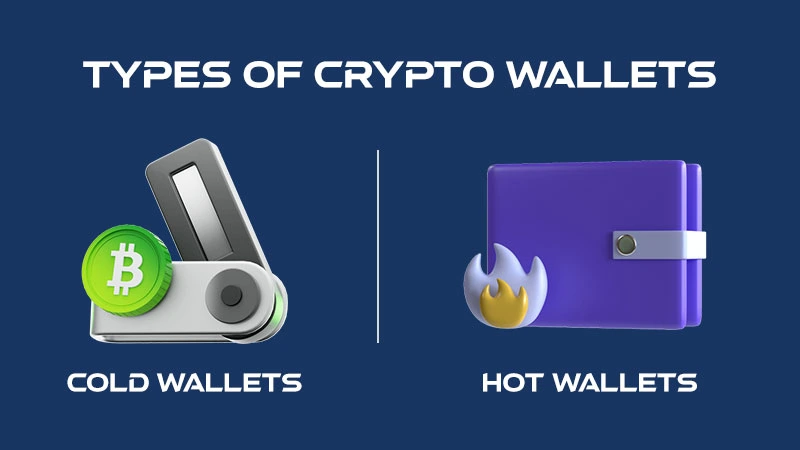
To understand why it matters, we need to understand hot wallet vs. cold wallet. Let’s quickly look at the two types of wallets!
- Hot Wallets: These are always connected to the internet. They are also more vulnerable to malware, hacks, and phishing.
- Cold Wallets: These store your private keys offline, which makes them much harder to compromise. Hardware wallets fall under this category.
The biggest advantage of a hardware wallet is offline key storage. Even if your computer or phone is infected, your private keys never leave the device. This means hackers can’t touch your crypto.
In short, using a hardware wallet gives you:
- Greater control over your funds
- Enhanced protection against online attacks
- Long-term peace of mind knowing your crypto is safe in your hands
Overview of the Top 3 Hardware Wallets
When it comes to keeping your crypto safe, a few names dominate the hardware wallet market. That includes Ledger, Trezor, and SafePal. Let’s get to see what sets them apart!
Ledger
Ledger is one of the most trusted brands in the crypto security space. Known for its advanced Secure Element chip and the Ledger Live ecosystem, it offers both top protection and an intuitive user experience.
- Ledger Nano X: It is ideal for mobile traders, comes with Bluetooth connectivity, has a long-lasting battery, and supports 5,000+ crypto assets.
- Ledger Stax: It is a premium option with an innovative curved E-Ink touchscreen, wireless charging, and a beautiful design.
- Ledger Nano S Plus: It is a reliable and budget-friendly choice that comes with the same security as other Ledger models.
- Ledger Flex: It is the 2026 edition with flexible display technology, biometric security, and enhanced DeFi and NFT integration.
Trezor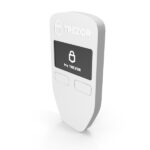
Trezor, created by SatoshiLabs, is recognized as one of the most popular choices for hardware wallets. It is highly respected for its open-source firmware, which gives users and developers full transparency and trust in its security architecture.
- Trezor One: It is the most affordable model, which allows users to store Bitcoin and other major altcoins.
- Trezor Model T: It is a premium device that features a full-color touchscreen, password manager, and Shamir Backup for extra security.
- Trezor Safe 3: It is a new model with a Secure Element chip, which combines transparency with next-level protection.
- Trezor Safe 5: It is the 2026 edition with faster hardware, enhanced UX, and support for next-gen crypto protocols.
SafePal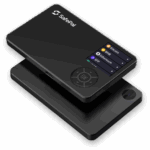
SafePal is quickly gaining popularity for offering air-gapped hardware wallets at accessible prices. Its devices rely on QR codes for signing transactions, which means no USB, Bluetooth, or Wi-Fi connections.
- SafePal S1: It is the original model that is fully air-gapped and uses QR codes for transactions and even has a built-in camera for signing in.
- SafePal X1: It is a modernized wallet that comes with USB-C connectivity and seamless integration with the SafePal app.
- SafePal S1 Pro: It is a 2026 model that features faster processing, fingerprint unlock, and enhanced multi-chain support.
Feature-by-Feature Comparison Table
Now, let’s compare the features of each hardware wallet and see which one wins the race!
| Feature | Ledger | Trezor | SafePal |
| Security Type | Secure Element (SE) chip | EAL6+ certified secure elements | Air-gapped signing mechanism |
| Supported Coins | Over 5,500 cryptocurrencies and NFTs | Over 8,000 cryptocurrencies and tokens | Over 30,000 cryptocurrencies and tokens across 100+ blockchains |
| Connectivity | USB-C cable & wireless Bluetooth connection | USB-C cable & wireless Bluetooth connection | QR codes, Bluetooth, WiFi, & Internet |
| App Interface | Ledger Live | SafePal App | Trezor Suite |
| Price Range (2026) | $79–$400 | $69–$179 | $49–$99 |
| Ease of Use | Moderate | Beginner-friendly | Very user-friendly |
| Ideal For | Advanced users | Privacy advocates | Mobile traders |
Pros and Cons of Each Crypto Wallet Type
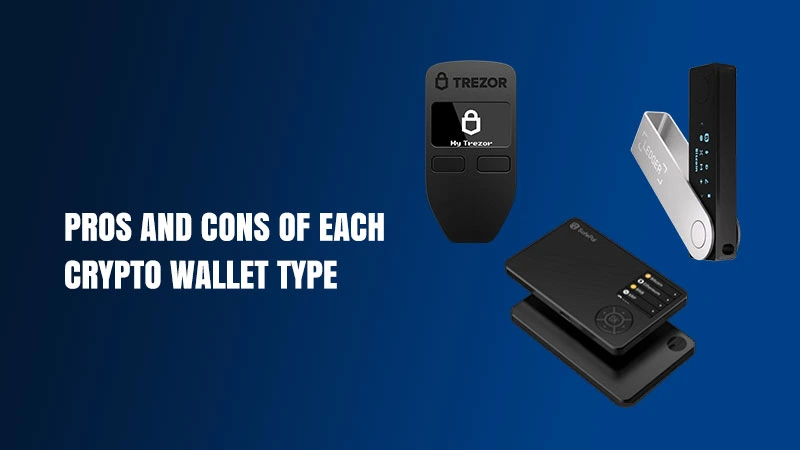
Before you come to a decision, it is important that you look for its pros and cons. Check this out!
Ledger
Pros:
- Robust Security: These hardware wallets keep your private keys safe by storing them offline. They use a Secure Element chip that meets EAL 6+ security standards, so you know they are protected from hacks.
- Full Control: You have complete control of your digital assets because the private keys come from the recovery phrase.
- Multicurrency Support: Ledger typically supports a range of cryptocurrencies and tokens, with more than 5,500 coins and tokens.
- Backup & Recovery: In case your device is lost or damaged, you can use a 24-word recovery phrase to restore your assets.
- Companion App: The Ledger Live app lets you manage your assets, track prices, and make transactions, such as staking and swapping.
Cons:
- Pricing: Purchasing a Ledger device may come with an overhead cost, with prices ranging from around $79 to $400, depending on the model you choose.
- Not Fully Open Source: The software of Ledger is not open source, which has further raised security concerns for most of the users.
- Complexity: Some of the Ledger models, like the Nano S Plus, have design limitations, which include a small screen and only two buttons. This makes navigation less intuitive.
Trezor
Pros:
- Powerful Security: Trezor devices typically store your private keys offline, which helps protect users’ funds from online threats such as malware, viruses, and phishing scams.
- Open-Source Software: The code of Trezor is fully open-source, which allows for continuous auditing and security improvements.
- User Control & Privacy: Users have sole control over their private keys. Furthermore, Trezor Suite even includes privacy features that help users manage their transactions with more privacy.
- Multi-Currency Support: It supports a wide range of cryptocurrencies, including the major ones like Bitcoin, Ethereum, and other tokens.
- Integrated Exchange/Swap: This crypto wallet type allows you to buy, sell, and exchange cryptocurrencies directly within the Trezor Suite.
Cons:
- Higher Price: The Trezor models can be more expensive than other wallet types. It is especially true with the premium models like the Model T and Safe 5.
- Limited iOS Support: The Trezor model lacks integration with iOS devices and is often limited to “watch-only” functions.
- Physical Loss: While your funds are safe, if your device is lost or damaged, it requires a replacement.
SafePal
Pros:
- High Security: The SafePal wallet leverages a 100% air-gapped signing mechanism and EAL5+ or EAL6+ secure element chips.
- Affordable: These are competitively priced, which makes high-end cold storage security accessible.
- Wide Asset Support: SafePal supports more than 30,000 cryptocurrencies across 100 blockchains. This offers wide compatibility for diverse portfolios.
- Additional Features: The wallet offers features such as built-in dApp browsers, cross-chain swaps, NFT management, and more.
- User Experience: The interface of SafePal is designed to be beginner-friendly, which provides a seamless transition from hot to cold storage.
Cons:
- Dependence on App: It requires the use of a companion app for managing assets and initiating transactions.
- Limited Battery Life: SafePal comes with a built-in rechargeable battery that requires occasional charging.
- Not Open Source: The new models of SafePal may offer open-source options, but the original model was not fully open source.
Which Wallet Should You Choose in 2026?
Choosing the right hardware wallet in 2026 depends on your needs, trading habits, and the types of crypto assets you hold. Here’s a simple guide to help you decide:
Ledger (Nano X, Nano S Plus, Stax, Flex)
- Best for: Users with diverse portfolios who trade frequently.
- Why: Ledger supports a wide range of cryptocurrencies, offers mobile and desktop compatibility, and has a robust ecosystem of apps for staking, DeFi, and more.
Trezor (Trezor One, Model T, Safe 3, Safe 5)
- Best for: Security-conscious investors and long-term holders.
- Why: Trezor is open-source, highly secure, and known for its transparency. It is perfect if you prioritize long-term storage over frequent trading.
SafePal (S1, X1, S1 Pro)
- Best for: Beginners or budget-conscious users.
- Why: SafePal offers strong offline security at a lower cost, with air-gapped devices and simple connectivity, which makes it ideal for new crypto investors.
Conclusion
That brings us to the end of this blog!
Undoubtedly, crypto security plays an important role. With billions lost to hacks and scams every year, choosing the right hardware wallet is essential.
No matter whether you go ahead with Ledger, Trezor, or SafePal, the best wallet is the one that aligns with your needs and gives you confidence that your digital assets are safe.
Remember, owning a reliable hardware wallet is the smartest move any investor can make to stay one step ahead of online threats.
And if you are still confused about which one to go ahead with, Coin Developer India is here to help you!