





Not too long ago, banking meant long lines, piles of paperwork, and complete dependence on middlemen to manage your money. Then came DeFi (or, Decentralized Finance), and it flipped the script.
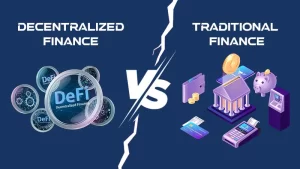
When you look at DeFi vs. traditional finance, the difference is night and day. Traditional systems rely on centralized control and third-party approval, while DeFi empowers individuals with direct access to financial tools. Anyone with an internet connection can lend, borrow, trade, or earn passive income without ever stepping into a bank.
Now, what about creating your own DeFi token? It’s not just about creating a crypto coin; it’s also about unlocking a full-fledged ecosystem of opportunities. We’ll discuss these topics later in the blog!
And here’s what makes it even more exciting: the global revenue in the DeFi market is estimated to reach US$14.0 billion by 2025. Thus, launching a DeFi project can become one of the most profitable frontiers in the blockchain world.
So, are you looking for how to launch a DeFi token? Here’s an in-depth DeFi token launch guide for you.
Let’s get started!
What Is a DeFi Token?
When businesses decide to develop DeFi tokens, they unlock a blockchain-based assets that further enables rewards, governance, and peer-to-peer value transfer. In simpler terms, a DeFi token is basically a smart contract-based unit that powers decentralized finance applications (dApps) and aligns stakeholders incentives without third-parties.
You can also consider DeFi tokens as currencies that are only applicable in decentralized finance ecosystems. Because of the fact that you can’t process blockchain-powered transactions using fiat currency, DeFi tokens act as that currency that enables you to process those services.
Different Types of DeFi Tokens
Before you launch your own token, it is important to understand its types and the distinct roles each one plays. So, here it goes!
Utility Tokens
Utility tokens provide users with easy access to a platform’s services. They can be used to pay transaction fees, earn discounts through staking, or get special features on DeFi platforms.
Examples:
- BNB (Binance Coin) – Used for paying transaction fees and DeFi services on the BNB Chain.
- UNI (Uniswap) – Enables users to trade, stake, and participate in the Uniswap DEX ecosystem.
Governance Tokens
Governance tokens allow holders to vote on protocol upgrades, fee models, and new feature proposals. This ensures the project remains community-driven and decentralized.
Examples:
- MKR (MakerDAO) – Allows holders to vote on DAI stability parameters and collateral types.
- COMP (Compound) – Allows users to govern the Compound lending protocol.
Stablecoins
Stablecoins keep their value stable by tying themselves to things like the US Dollar, gold, or a mix of different cryptocurrencies. They act as a medium of exchange and collateral within DeFi protocols.
Examples:
- DAI (MakerDAO) – A decentralized stablecoin that is supported by crypto assets.
- USDC and USDT – These are centralized but widely used in DeFi for liquidity and trading.
Security & Asset-Backed Tokens
In DeFi, these tokens stand for real-world assets such as stocks, commodities, or even tokenized funds, and they are handled by decentralized protocols.
Examples:
- SNX (Synthetix) – Powers synthetic asset creation and trading on-chain.
- PAXG (Pax Gold) – Tokenized gold asset that can be used as collateral in some DeFi ecosystems.
Reward & Yield Tokens
Users can earn these tokens by adding liquidity, staking their assets, or taking part in DeFi yield farming projects. They encourage community involvement and investment.
Examples:
- AAVE (Aave) – Utility token for governance and rewards within the Aave lending ecosystem.
- CRV (Curve Finance) – Given to users who provide liquidity and participate in governance on Curve.
Key Steps to Create a DeFi Token
Here’s the main part of the blog. The below-mentioned are the steps that can help you through the complicated process of developing DeFi tokens!
Step 1: Define the Purpose and Use Case
Before you begin to code, it is important for you to clarify your token’s purpose and real-world value. Ask: What problem does it solve, and who benefits?
No matter whether it is a lending platform that offers staking rewards or a token designed for governance, a properly defined use case is important in guiding your development and marketing strategies.
Step 2: Choose the Blockchain Platform
Selecting the right blockchain platform is important to your token’s performance and adoption. The best blockchain for DeFi token launch is Ethereum due to its robust ecosystem and developer support. Whereas BNB Chain, Polygon, and Solana are well-known blockchain platforms that offer faster transactions and lower fees.
While selecting the right blockchain for DeFi projects, you need to consider scalability, interoperability, and the role of smart contracts in DeFi before making a decision. The right blockchain will impact your token’s usability, liquidity, and future growth potential.
Step 3: Design Tokenomics
Your tokenomics define how your token functions within its ecosystem. When designing DeFi tokenomics, it’s crucial to thoughtfully consider total supply, distribution strategies, reward mechanisms, and governance models.
A balanced token economy should encourage participation, prevent inflation, and reward long-term holders. A well-crafted DeFi tokenomics significantly grabs the attention of investors.
Step 4: Build a User Interface
An intuitive user interface helps boost user experience and encourage adoption. It’s important to create a clean, secure, and responsive dashboard for users to easily stake, swap, or track their assets.
Also, focus on simplicity and accessibility. Your platform should be as welcoming to beginners as it is to experienced DeFi users. A smooth UI builds trust and strengthens your project’s credibility in a competitive market.
Step 5: Create a Smart Contract
The smart contract is the core of your DeFi token. It regulates every transaction, guaranteeing transparency and automation while eliminating the need for intermediaries.
Ensure that you use established standards like ERC-20, BEP-20, or ERC-721 for compatibility and reliability. Use safe coding practices and conduct thorough testing before launching your DeFi token. It minimizes risks, ensures consistent functionality, and serves as the foundation of your DeFi ecosystem.
Step 6: Conduct Security Audits
While developing one, you need to conduct DeFi token audits and security tests to identify potential bugs and issues. Testing for exploits, bugs, and logic errors not only safeguards your users but also enhances your brand’s reputation in the market.
Beyond code audits, consider regular penetration testing and on-chain monitoring. A secure DeFi project fosters user trust, reduces the risk of hacks, and strengthens your position in the DeFi landscape.
Step 7: Market Launch
Once the above-mentioned steps are completed, deploy your smart contract, list your DeFi tokens on decentralized exchanges (DEXs), and announce it across community channels.
Also, consider implementing DeFi marketing strategies like airdrops, liquidity mining, and staking programs to attract early adopters. Engage with your community through AMAs, social media, and partnerships.
How to Attract Users to a DeFi Project?
Launching a DeFi token is only half the journey. The tough part is getting people to join in. Here are the ways that you can use for DeFi project growth and community growth:
Build a Strong Community
A thriving community of users is the heartbeat of any DeFi project. To really get people on board, you should connect with them on platforms like Twitter, Discord, Telegram, and Reddit. It’s all about building a loyal community.
Get people involved by running bounty campaigns, holding AMA sessions, and doing airdrops. It’s a fun way to bring everyone together! To keep participants engaged, consider using referral programs, yield farming, and staking rewards. This approach helps create a strong user community that actively uses and promotes your token.
Focus on Real Utility
To stand out in the DeFi space, your token needs to provide real-world value. It should offer rewards such as governance rights, payment functionalities, yield farming, or access to NFT marketplaces.
Avoid creating tokens that lack substance, as users and investors are attracted to projects that showcase real-world value and sustainable economics. True utility builds trust in a DeFi token.
Leverage Partnerships
Strategic partnerships can boost growth and credibility. Partner with known DeFi wallet providers, protocols, influencers, and launchpads to expand your reach.
This will allow you to tap into existing user bases while providing mutual benefits. These partnerships will help you get noticed more and boost your community.
Continuous Marketing
Do you know that DeFi token marketing doesn’t end after launch? To maintain momentum, create consistent educational content like blogs, explainer videos, and well-drafted whitepapers that simplify DeFi concepts for new users.
Make sure to send out press releases and work with influencers both before and after the launch to keep the buzz going. Integrate SEO with content marketing to draw in organic traffic and engage long-term investors who are genuinely invested in your project’s vision.
Transparency & Trust
In DeFi, trust is your strongest currency. It’s important to keep things clear by regularly sharing audit reports, details about the treasury, and updates on the roadmap.
When users feel like they are part of the decision-making process and can see through what is happening, they are more likely to stick around, invest more, and even share their support for your project with others.
It’s a Wrap
That’s the end for this blog!
The DeFi revolution isn’t slowing down anytime soon. And launching your own DeFi token puts you right at the center of this revolution.
We hope that the above-mentioned would have helped you understand the steps of creating a DeFi token and how to attract users to it. Keep in mind that every step you take shapes the success of your DeFi project.
Also, the key to standing out in the DeFi space is trust, utility, and consistent engagement. The projects that combine these three pillars are the ones that attract loyal users and thrive in the long run.
If you are looking to make your DeFi dreams come true, team up with the experts who really get all the ins and outs of blockchain technology. And that’s where Coin Developer India steps in!
Reach out to us and get started!
FAQs
- What is a DeFi token?
A DeFi token is a digital asset that powers decentralized financial applications. These tokens enable users to lend, borrow, trade, stake, or govern projects without the need for any third parties or intermediaries.
- How much does it cost to create a DeFi token?
The cost to build a DeFi token depends on a wide range of factors, such as the blockchain platform, smart contract complexity, security audits, and UI development. On average, its cost can range from $10,000 to $50,000. Get in touch with us to know the detailed cost estimates for your project!
- Which blockchain is best for developing DeFi tokens?
The best blockchain depends on your project’s goals. Ethereum remains the most popular choice because of its mature ecosystem, while BNB Chain, Polygon, and Solana offer faster transactions and lower fees. If you are still confused about which blockchain platform to choose, reach out to our experts!
- How can I market my DeFi token effectively?
Effective DeFi marketing focuses on building trust and engagement. Use social platforms like Twitter, Discord, and Telegram to grow your community. Run airdrop campaigns, AMAs, influencer collaborations, and educational content to attract genuine users.
- What are the risks of launching a DeFi token?
Launching a DeFi token comes with risks, which include smart contract vulnerabilities, regulatory uncertainty, market volatility, and liquidity challenges. Poorly audited code can lead to hacks or exploits.
- How do I get users for my DeFi project?
To attract users, focus on community building, partnerships, and real utility. Also, offer staking rewards, referral bonuses, and educational content to engage early adopters.
- What is the difference between a DeFi token and a crypto coin?
A crypto coin operates on its own blockchain. On the other hand, a DeFi token is built on top of an existing blockchain.