




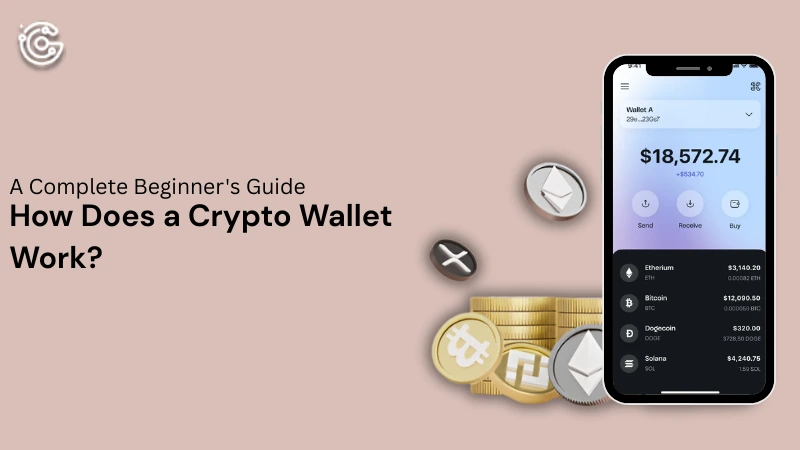
The day-by-day crypto world is achieving next-level achievements!
Earlier, people who used to think the crypto market was like gambling are now more likely to enjoy trading and playing games. Well, all thanks to the cryptocurrency wallet!
But still, there are many people who feel that this market is not safe due to privacy, security, and other breaches. So, by acknowledging everyone’s queries and implementing security features, transparent policies, and innovative wallet solutions, this industry is all set to move towards a safer and more trustworthy environment for all users.
Let’s Break Down What a Crypto Wallet Means
As a crypto trader, have you ever wondered where you could store and manage all your private keys and public keys? So, a crypto wallet is the place for you! It is a digital tool that allows users to reserve and manage the private keys required to gain their cryptocurrencies.
Meanwhile, these wallets will make it manageable for everyone to interact with their blockchain, providing a seamless gateway to digital currencies like Bitcoin, Ethereum, and others.
Curious why cryptocurrency wallets are required?
What if you don’t have complete control over your private keys? On your cryptocurrency? Here comes the role of the crypto wallet, permitting you autonomy over your digital assets by protecting the cryptographic keys needed to access your holdings.
Let’s understand this with an example:-
Your public key is like your bank account number, typically used to receive funds, and is safe to share. Similarly, your private key is your password that is used to authorize transactions and is only known to you.
So, among these, if you’ve lost any one of them, then which one will hurt you more? Indeed, private keys are important because losing them means losing access to your assets. So, that’s why you need a crypto wallet to secure and manage your essentials.
Ever Wondered How Crypto Wallets Function?
Before answering this question, you should know that there are multiple types of cryptocurrency wallets available. Each wallet varies depending on how you store your private keys, how secure they are, and how convenient they are for users. Let’s have a look:
1. Hot Wallets:
- These wallets are well-connected to the internet, making them suitable for frequent transactions.
- The best examples of hot wallets include mobile apps, web wallets, and desktop applications.
- If we talk about its benefits, then it is easy to use, great for everyday transactions, and easily accessible from anywhere.
- Further, its disadvantage is that it is more vulnerable to hacking since it’s online.
2. Cold Wallets:
- These wallets are offline storage solutions, typically offering enhanced security by keeping all the private keys far away from the internet.
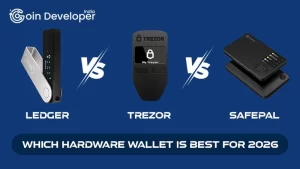
- The best examples of these wallets include hardware wallets and paper wallets.
- If we talk about its benefits, then it is highly secure against online threats like phishing and malware.
- Further, its disadvantage is that it is less convenient for frequent transactions and can be expensive upfront.
3. Custodial Wallets:
- These wallets are typically managed by third parties, such as exchanges or wallet providers, who usually store your private keys on your behalf.
- The primary examples for these wallets are Binance, Coinbase, and other centralized platforms.
- If you’re just a beginner or need to manage private keys yourself, then this is the ideal wallet for you.
- However, in this wallet, you don’t have complete control over your funds, and trusting third parties can introduce counterparty risk.
4. Non-Custodial Wallets:
- These wallets provide you with complete control over your private keys, which means only you have complete access to your funds.
- The leading examples for these wallets include MetaMask, Ledger, and Trust Wallet.
- If we come to its benefits, then it provides complete ownership and control over your assets.
- Thus, the major disadvantage of these wallets is that if you ever lose your private keys or seed phrase, then there is no way to recover your funds.
So, once you’re clear with its types, then now, it’s time to understand how the crypto wallet actually works:
With the plenty of wallets available, you might be wondering how exactly these wallets work.
So, the most interesting thing you need to know about cryptocurrency wallets is that, unlike the wallet in your pocket, the crypto wallets don’t store your currency.
These wallets typically reserve long strings of letters and numbers (private keys). However, you can easily pair these keys with public keys and other digital assets.
Assume that you develop a crypto wallet to buy cryptocurrency. So, after adding funds to your wallet, here are the basic steps you’re required to follow to use your digital wallet:
- Clarify which cryptocurrency you would be likely to purchase.
- Then look for a reputable exchange that supports that cryptocurrency.
- Create an account with the exchange and share all your personal details required.
- Link it with your crypto wallet to exchange the account.
- Initiate a cryptocurrency transaction.
- Once you’re done with this process, check the cryptocurrency balance in your crypto wallet and verify your transaction is complete.
Core Security Features of Using a Crypto Wallet
The crypto wallets are highly integrated with military-grade security features typically used to provide the utmost protection to every user. Some of the core features of crypto wallets include
1. Two-factor Authentication:
With the help of this feature, users get the benefits of an extra layer of protection. This means that to access your crypto wallet, you’ll be required to have a password along with a one-time code.
2. Cold Storage Capability:
Among all the ways, this one is the best for securing and managing your cryptocurrencies in a well-maintained manner. Usually, our wallet solutions offer cold storage ability, which typically refers to gathering private keys offline without any involvement of the internet.
3. Multi-Signature Support:
Through multi-signature support, users are able to secure their funds more conveniently. Having more than one private key to approve a transaction makes it much harder for hackers to break in.
4. Biometric Authentication:
This is a common type of authentication that is integrated with the crypto wallet. This allows the user to connect directly with the help of their biological traits, such as fingerprints and facial features.
5. Data Encryption:
We create crypto wallets that are integrated with data encryption. With the help of these features, users get the advantage of converting their private keys into an unreadable format, which can only be accessed with the correct code.
6. Real-Time Transaction Monitoring:
By integrating this amazing feature in your wallet, users are able to track their crypto transactions in real time. This means you will be able to determine and detect abnormal practices that pose security risks.
These are some mind-blowing features you can find in crypto wallet development. However, with the help of these wallets, users will be able to elevate their overall wallet experience and manage their digital assets safely.
How to Choose the Right Crypto Wallet?
A crucial first step is selecting the appropriate wallet. Thus, in order to simplify your process, the following detailed guide will assist you in identifying the appropriate wallet type:
Step 1: Understand Your Needs:
The first step you need to take is to choose the right wallet type. So, while selecting a crypto wallet, it’s crucial to consider how you plan to use it. So, define your purpose. How long have you been holding your assets, trading frequently, or just exploring the crypto world?
So, if you’re just a beginner, then you can choose to go for a mobile wallet. If you’re an investor, then consider moving towards a hardware crypto wallet. Meanwhile, define your case and select the wallets wisely.
Step 2. Choose the Right Wallet Type:
There are numerous types of wallets available, typically categorized into two main forms: hot wallets and cold wallets.
Hot wallets usually include mobile, web, and desktop wallets and remain connected to the internet. Additionally, with this wallet, users will also be able to enjoy quick transaction services.
Cold wallets are the hardware wallets or paper wallets, which are the perfect option for those whose top concern is security. Moreover, these wallets are more approachable and convenient for regular use.
Step 3: Check for Security Features:
While selecting a cryptocurrency wallet, one of the most important considerations is security. So, when you’re searching for the wallet, consider checking that the wallet has two-factor authentication, a biometric login option, and seed phrase backup and recovery.
Moreover, reputable cryptocurrency wallets also use strong encryption, allowing users to audit their code easily. So, if you’re dealing with a significant amount of crypto, choose an app offering multi-signature support and backup options for securing your digital assets.
4. Confirm Supported Assets:
Not every wallet supports all types of cryptocurrency; some are especially designated for Bitcoin, while others support Ethereum. So, always cross-check whether your wallet supports the currency you’re interested in.
However, other than this, a good wallet should evaluate the user experience. Look for the features that are easy to navigate, have a clear transaction history, and are simple to use. Thus, if the wallet user experience is too complicated, there is a higher chance of user error and unforeseen circumstances.
Lastly, once you discover the correct type of wallet, you are required to do your research, read user reviews, check forums, and explore any security incidents or breaches.
Conclusion
Cryptocurrency wallets have gone from “nice-to-have” to “must-have.” We’re living in a crypto-centric world, and whether you’re a newbie experimenting or a seasoned investor with diverse holdings and trades, finding the right wallet for convenience and security is a must. Hot wallets that allow for quick trades can be a good choice, but there are also cold wallets that offer additional security. Each type serves a specific purpose depending on your specific goals.
Ultimately, your private keys are your asset, and keeping your private keys safe should be your first focus. By understanding the types of wallets, analyzing their features, and pairing the wallet with your crypto trading style, you can be confident in your decisions in the crypto sphere.
As the industry continues to grow with security features, transparency, and innovation, crypto wallets are helping to develop a safer, more reliable, and easier digital-economy experience. And if you want to build a secure, reliable wallet solution, Coin Developer India can help you create a customized wallet application that suits your needs and keeps your digital assets safe.